
How to Avoid Customs Delays and Ensure Timely Shipments


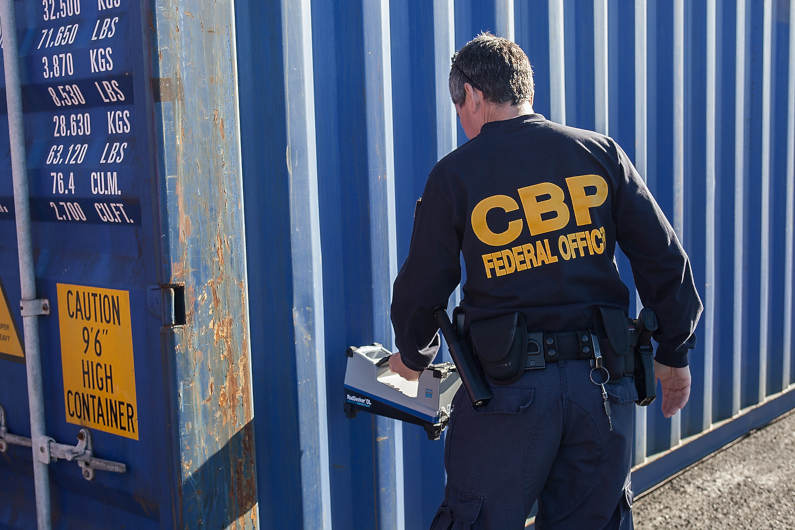
Table of Contents
Why is my shipment stuck at customs?
It’s a question that many importers find themselves asking at one time or another. A container filled with goods that need to get to your customer’s warehouse ends up delayed at the port and you have to figure out the reason.
Your business operates on a schedule, and unexpected delays can have consequences — time is money, as they say. How do you avoid customs delays, so you can get your products into the hands of your customer by the agreed-upon time?
Today we’ll talk about some of the most common reasons for delays and the steps you can take to avoid them.
The Most Common Reasons for Customs Delays
There are a number of reasons that a shipment might be held up at customs.
- Incorrect or missing documentation
- Late receipt or loss of documents
- Holds and exams
- Incorrect tariff classification codes
- Late container returns
- Port or terminal congestion
It is important that all of your paperwork is complete and that it accurately reflects the contents of your shipment.
One of the most avoidable issues we see has to do with carton weight.
If a container weighs more or less than it is expected to, based on the number of cartons on the manifest, this can sometimes trigger an exam. If cartons weigh 24kg, but you have stated their weight as 20kg, this is generally a big red flag.
It is also important that your products are in compliance with all applicable federal laws and regulations.
The Consumer Product Safety Commission (CPSC) has an Office of Import Surveillance that works alongside Customs and Border Protection (CBP) at ports to review incoming merchandise. They determine risk levels for shipments and will stop high-risk shipments and put them through merchandise screening for things like unsafe chemicals or unmet labeling requirements.
How Can You Avoid Customs Delays?
In order to avoid customs delays, it is important that you have all of your ducks in a row.
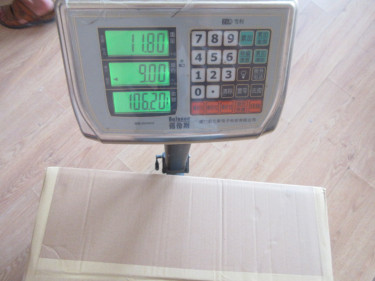
This means conducting third-party product inspections at the factory, during which an inspector checks the weight of your products, their labeling, and that they have been manufactured correctly.
It also means sending your products to a testing lab to ensure that they are free of harmful chemicals and are in compliance with regulations like the Consumer Product Safety Improvement Act (CPSIA).
One way to help get your products preferential treatment at the port is through the Customs-Trade Partnership Against Terrorism (C-TPAT) program.
The benefits of participating in this program include a reduced number of CBP examinations, front of the line inspections, and shorter wait times at the border.
In addition, keep in mind that if you are shipping in containers where multiple importers have consolidated their freight, there is little you can do if one importer has done something to trigger an inspection.
Consolidated freight between importers can lead to your own shipments being slowed down, even if you have done everything right. You should always work with reputable service providers, including your logistics, inspection, and lab testing service providers–not to mention a reputable factory.
Also, be sure to build a buffer into your shipping schedules so that you don’t have to worry as much if your products get held up at the port.
Summary: Be Proactive in Order to Avoid Customs Delays
There are a number of reasons your products could get held up at customs, from missing documentation to incorrect tariff classification.
If you want to avoid having your products stopped at customs, you should take proactive steps to ensure that everything related to your shipment is in good order. This means conducting inspections and lab testing, as well as working with reputable service providers. Consider C-TPAT validation and be sure to include a buffer in your shipping schedule for when the unexpected happens.
If you are conducting product inspections or are thinking about them, we recommend reading the following white paper.
Are you thinking of hiring a third-party inspection company? If so, you need to be properly prepared. No one knows your product better than you do. So, make sure you give your service provider the information they need to ensure that your inspections are a success.
Download this free guide to successfully preparing for your product inspections.
Download
AQL Inspections 101: How They are Conducted
Authors