
Reshoring is a Move You Need to Think Through Very Carefully



Table of Contents
An abandoned warehouse located in Loveland, Colorado. (Photo: Tara Evans)
“This pandemic has underscored the vital importance of reshoring our supply chains and bringing them back into the United States, where they belong, where they should have never left.”
– President Donald J. Trump
Over the last three decades, the United States and other Western countries have become increasingly reliant on manufactured goods from Asia, particularly China.
It seems like every few years there is an increased interest in reshoring production and bringing back jobs, and this is understandable.
But is reshoring a good idea for your company?
There are some cases where reshoring a percentage of production might be important from a strategic standpoint—for example when you’re talking about products like pharmaceuticals, medical supplies, or personal protective equipment. Having access to these items when you need them makes a lot of sense.
But reshoring is not always the right answer for businesses, and it shouldn’t be done as a knee jerk reaction to world events. Any decision about reshoring needs to be well thought out, weighed against different options, and carefully planned.
So, how do you decide if reshoring is right for you?
Reshoring Can Work for Some Products
There are certain challenges with reshoring production to the US.
First of all, America doesn’t quite have the manufacturing capabilities that it used to. Previous generations worked in factories and made things, but many of the people with the knowledge and experience in manufacturing have moved on and retired.
This makes it hard to bring back many types of products. Add to that the labor costs involved, which can be quite prohibitive.
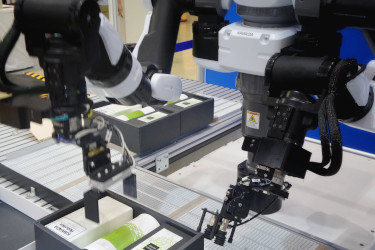
Some types of production are more automation-heavy and—since they require less manual labor—they are generally better candidates for reshoring.
Labor-intensive products—think jewelry or apparel for example—are difficult to reshore because of the high wages in developed countries. A few years ago Kangol reshored some of its hatmaking to Adamstown, PA, and found they were losing money on every hat they sold.
Products that are expensive to transport over long distances might be good candidates for reshoring.
Consider that if you are able to reshore production, this will minimize your delivery times and reduce distribution costs significantly, since production is closer to where the goods will be sold. This is one of the biggest benefits that reshoring offers businesses.
But there is also another option that can potentially lower your labor costs and reduce shipping costs at the same time—nearshoring.
Nearshoring vs. Reshoring
While reshoring means bringing production to the country you are in, nearshoring means bringing production to another nearby country.
In some cases, nearshoring might be a better alternative for your business.
There are countries closer to home (i.e. Mexico) with lower labor costs. Similar to reshoring, nearshoring can lead to shorter delivery times and lower distribution costs than shipping from Asia.
However, when moving Chinese production to Mexico or South America, it may not be as easy to find a manufacturer, since China’s manufacturing sector is very mature and offers many options.
There is no large centralized platform like Alibaba for the region, but of course, that doesn’t mean it’s not worth doing some digging to try and connect with suppliers. It just means it may require more initial legwork.
And whether you’re talking about reshoring or nearshoring, there are certain considerations you have to take into account.
Other Considerations
One thing you need to consider is where your raw material is coming from.

You may be able to find lower labor costs in Latin America, but if the raw material for your product is coming from further away, it will add to your costs. If you are making furniture, for example, are you going to have to import your fabric from the middle east or from China?
There is efficiency in manufacturing in the same region where the raw material is acquired. So, this needs to be factored into the cost.
Tariffs and the deteriorated relationship between the US and China are also big concerns. For now, with the COVID-19 pandemic, the trade war is at a standstill, but keep in mind that there could be further actions taken in the future.
Aside from reshoring and nearshoring, it is worth considering other countries in Asia, such as Vietnam, Thailand, Malaysia, or Indonesia—countries where the relationship with the United States is not as strained.
Don’t Take the Decision Lightly
The most important thing to keep in mind is that a decision about moving production should never be taken lightly. You need to do thorough research and look at all your options.
Recognize that you are making a long-term move and be willing to slow down and assess things. Consider the main drivers for the move and understand the potential for upstream supply issues.
Take a holistic view of all the benefits and drawbacks and then start small. You do not need to move a large portion of your production right away.
If you are planning to work with a new factory and want to learn more about how to assess their capabilities, we recommend downloading the following guide.
Free Guide
How to Prepare for a Factory Audit
A factory audit helps you assess a supplier’s systems, capacity, workplace environment, or capabilities to ensure they meet your requirements as a buyer.
But which type of audit should you conduct, and which points should you cover on your checklist? In this free guide, you’ll learn how to run an effective supplier assessment.
Download

AQL Inspections 101: How They are Conducted
Authors