
This is Why Factory Audits are a Key Pillar in Supplier Quality Management


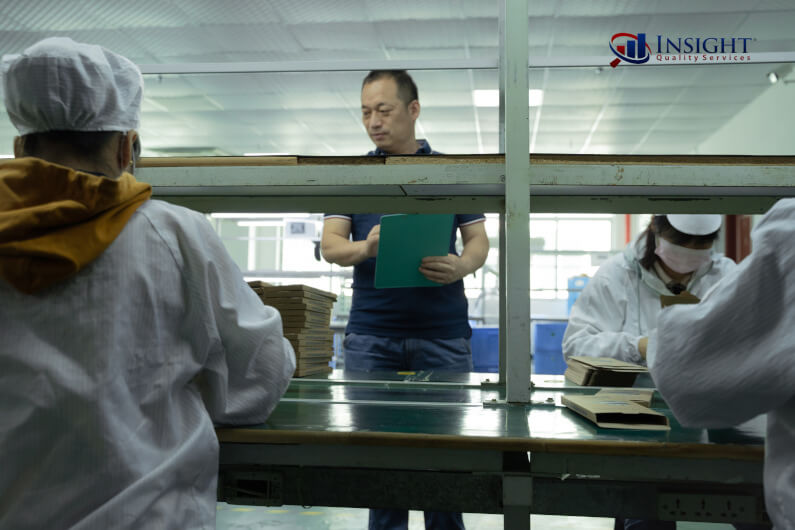
Table of Contents
As an importer, you expect your suppliers to meet certain expectations. As such, it’s best to provide them with precise product specifications and take steps to manage supplier quality.
Many importers understand that third-party inspections are a helpful tool for quality monitoring. They allow you to check the products that have come off the production line and verify that your shipment is acceptable. However, there’s another powerful tool that importers sometimes overlook — the factory audit.
First, let’s define supplier quality management (SQM). Then, we can discuss factory audits and the role they play in helping to ensure that your products satisfy customer needs.
What is Supplier Quality Management (SQM)?
According to ASQ, “Supplier quality is a supplier’s ability to deliver goods or services that will satisfy customers’ needs. Supplier quality management is defined as the system in which supplier quality is managed by using a proactive and collaborative approach.”
In other words, it means setting up processes to determine if suppliers can meet your needs and then working with them to ensure that they continue to do so.
As we’ve said, inspections are helpful because they allow you to check individual shipments. Gathering inspection data over time lets you monitor performance and spot trends. But if a supplier is not meeting your expectations, the inspection data won’t be able to tell you the reason.
This is where factory audits often come in. Let’s talk about the role they play in supplier quality management.
The Crucial Role of Factory Audits in SQM

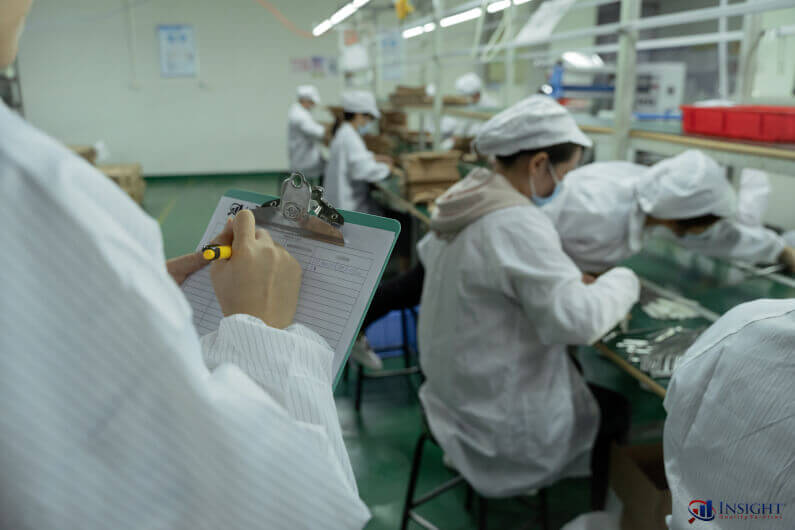
A factory audit is a visit to your supplier’s facility in which an auditor assesses them on a pre-set list of criteria. Factory audits help you accomplish two things.
First, factory audits help you improve supplier selection. When you’re considering a new supplier, an auditor can verify their capacity and capabilities. They can also assess their quality management system (QMS) by conducting a quality audit. If they pass the quality audit, you can have more confidence in your decision to work with them.
Second, factory audits help you manage existing supplier relationships. While inspections let you look at individual shipments, audits give you a snapshot of their entire quality management system. With a higher-level view, you can spot problems at the process level before they develop into shipment-level quality issues.
Auditing your existing suppliers at a predetermined frequency (e.g., every one or two years) can be a good idea. If you have multiple suppliers, you’ll need some way to prioritize them.
How to Prioritize Suppliers for Auditing

Rather than auditing all your suppliers simultaneously, you can classify them by risk level and then prioritize them for auditing.
If you have different manufacturers making different components, you might prioritize the ones that make the components with a higher risk of failure. Or, if a particular supplier makes a higher percentage of your products, you might prioritize it.
You can audit high-risk suppliers more frequently to ensure they adhere to your quality standards and minimize the chance of shipment-level issues cropping up. By prioritizing your suppliers well and conducting the appropriate audits, you’ll be better positioned to manage your suppliers and get the best possible results for your business.
At Insight Quality, we conduct quality audits for our clients and can assist you if you have any questions about utilizing this service effectively. For more information about how to conduct a factory audit, we recommend downloading the following guide.
Free Guide
How to Prepare for a Factory Audit
A factory audit helps you assess a supplier’s systems, capacity, workplace environment, or capabilities to ensure they meet your requirements as a buyer.
But which type of audit should you conduct, and which points should you cover on your checklist? In this free guide, you’ll learn how to run an effective supplier assessment.
Note: This article was originally posted in November 2020 and was updated in December 2023.
Download
AQL Inspections 101: How They are Conducted
Authors