
AQL Special Inspection Levels: What Do You Need To Know?


Table of Contents
AQL (Acceptance Quality Limit) is an important sampling method that you’ll use when conducting product inspections at your factory. So if you’re manufacturing consumer products and have been learning about AQL, you’ve probably looked at the various inspection levels on the AQL chart.
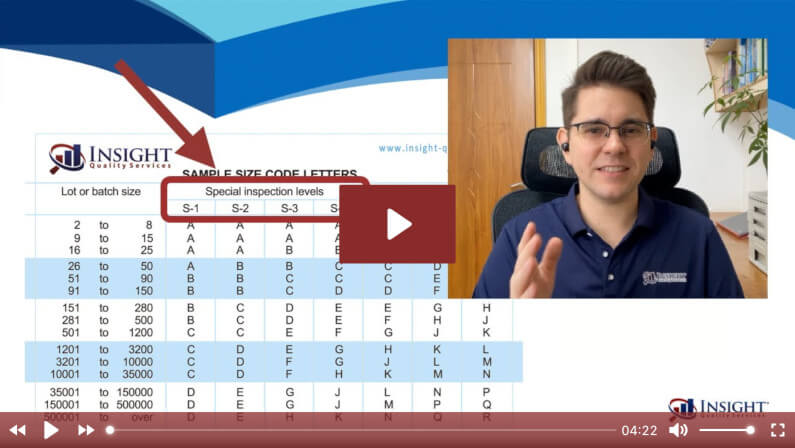
You’ll find the Special Inspection Levels next to the General Levels, and product inspectors use the General and Special Levels concurrently during an inspection. If you’d like to learn more about how the Special Levels work, read on or watch this video.
What is the Difference Between the Special Inspection Levels and the General Levels?
While the General Inspection Levels determine the sample size for your inspection overall, the Special Levels (S-1, S-2, S-3, S-4) are used only for specific items on your inspection checklist. Using the Special Levels gives you a smaller sample size, which may be appropriate for some tests.

For example, let’s say you’ve placed an order for 2,000 high-end pillow cushions. You choose General II for the inspection as a whole, and the inspector will use it to check the general workmanship of the pillows and packaging — a 125-pillow sample size.
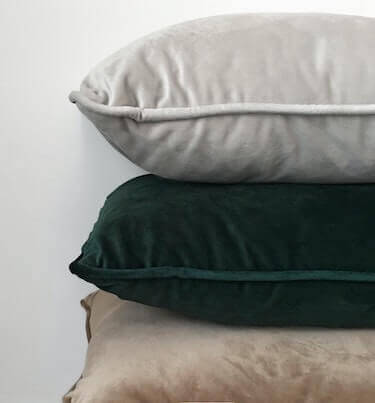
However, you’ll also use Special Level S-1 to check the package measurements and do barcode scan tests — a 5-package sample size. This smaller sample size is appropriate, as you have determined that these attributes will tend not to vary from one package to another.
If you’re unsure how we determined the sample sizes, download our AQL 101 guide for a high-level overview of AQL sampling.
Why Do You Use the Special Levels During an Inspection?
During an AQL inspection, your inspector will conduct all the different tests and checks on your inspection checklist. A larger sample size is appropriate for some tests, and for others, a smaller sample size is suitable.
Tests that warrant using the Special Levels are generally those that:
- Are destructive to the item being checked
- Are expensive or time-consuming to conduct
- Tend to yield similar results across all items in the lot
For example, let’s say you are inspecting electronic tooth whitening kits.
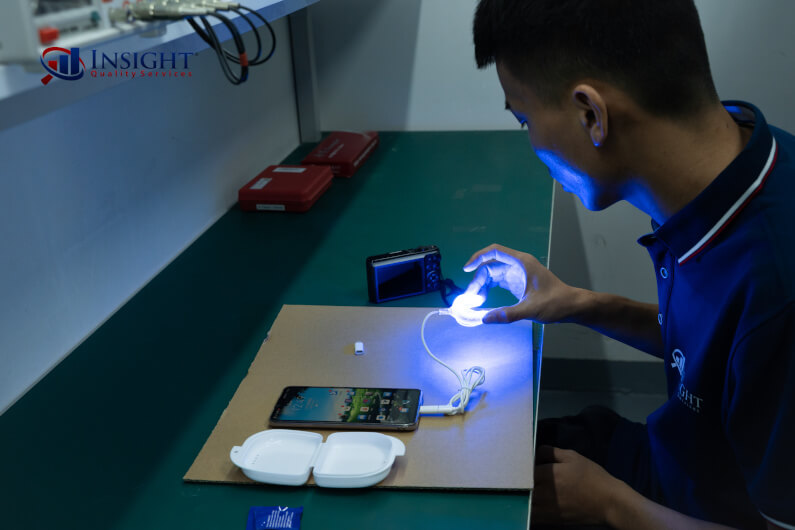
Here are some tests you might use the Special Levels for:
- A drop test, in which the carton or an individual unit is dropped from a specific height multiple times (Destructive).
- A Sleep Mode test, which verifies that your product automatically shuts off after 30 minutes of inactivity (Time-Consuming).
- A carton dimensions check, where you measure each carton’s height, width, and depth (Yields Same Results).
For these and other similar items, you might use levels S-1 through S-4, but you would use General II for everything else on your checklist. Keep in mind that whether (and how) you use the Special Inspection Levels will depend on the specifics of your product and how you choose to manage quality control.
What is the Difference Between S-1, S-2, S-3, and S-4 on the AQL Table?
The main difference between the four AQL/ANSI Special Inspection Levels is the sample size they produce. For example, if you place an order for cordless electric mops and your order quantity/lot size is 3,000 mops, each level would give you the following:
- S-1 (Code Letter C) — 5 mops
- S-2 (Code Letter D) — 8 mops
- S-3 (Code Letter E) — 13 mops
- S-4 (Code Letter G) — 32 mops
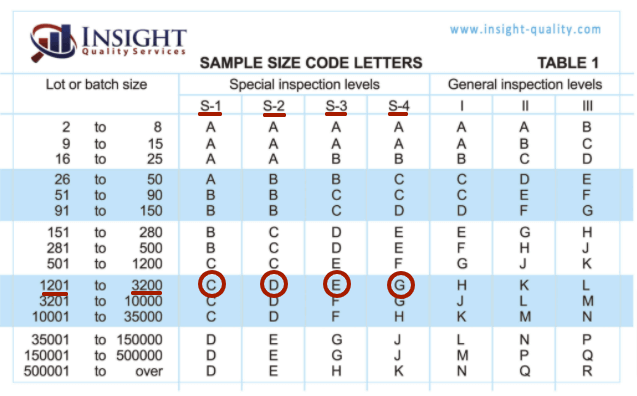
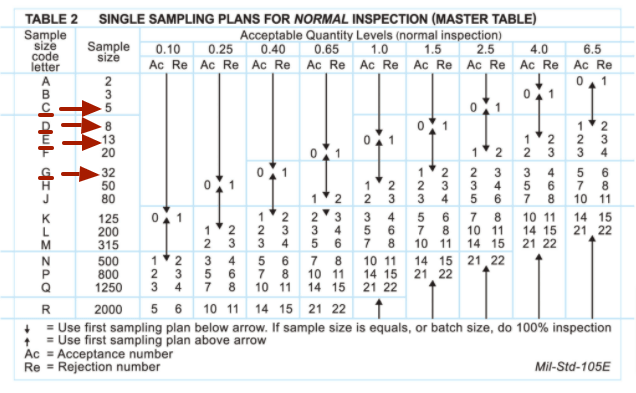
The Special Level you choose will depend on the specifics of your product and the tests required. Some situations may warrant a larger number of items to check, while others may warrant a smaller number. If you choose to conduct your inspection with Insight Quality Services, we can provide guidance to help you make appropriate selections.
Summary: The General and Special Inspection Levels are Used Together to Control Product Quality
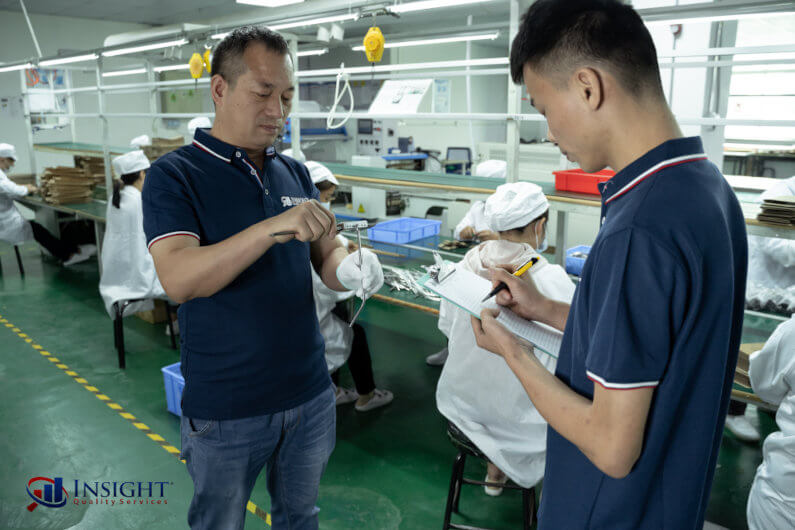
Once you’ve fully developed your inspection checklist, you need to determine how many units of your product to inspect. The AQL/ANSI tables help you to do this.
The General Levels will determine how many units you inspect overall. But the Special Levels determine smaller samples sizes for specific tests. The Special Levels are appropriate for tests that are destructive to your product, expensive, or time-consuming to conduct, or tend to yield the same results across all items.
You should work collaboratively with your third-party inspection company to determine which checks to conduct at the Special Levels. Reach out to us if you’re thinking of conducting an inspection and need guidance. For more information about AQL sampling, we recommend reading our AQL 101 guide.
Free Guide
AQL Inspections 101: How They are Conducted
- Get a solid grasp of the AQL sampling method
- Understand the AQL tables and how to use them
- Work with your third-party inspectors more effectively
Note: This article was originally published in September of 2016 and was updated in November of 2024.
Download
AQL Inspections 101: How They are Conducted
Authors