
When to Stop Inspecting Every Shipment: A Strategic Guide to Skip-Lot Inspections


Table of Contents
After years of consistent quality from a trusted supplier, many companies face the same dilemma: Is inspecting every single shipment still worth the cost?
While quality inspections are essential for catching defects before they reach customers, they can also represent a significant ongoing expense, especially when your manufacturer has proven reliable time and again.
This is where ‘skip-lot’ inspections come in. Here we’ll show you when and how to implement them successfully, so you can cut your QC costs without compromising quality or risking your reputation.
What is Skip-Lot Sampling?
In a skip-lot sampling plan, you don’t inspect every lot the manufacturer produces. Some lots are “skipped.” This is a common inspection practice for companies that consistently produce a high volume of the same type of product, and their manufacturers consistently meet or exceed their quality standards.
Is Skip-lot Sampling Right for Your Company?
Skip-lot sampling doesn’t generally serve businesses that make infrequent or small purchases of a product. For example, they wouldn’t be appropriate if you only order a particular product SKU once per quarter.

Skip-lots are a smart strategy for companies that:
- Have a long-term relationship with a trusted factory
- Have had relatively few issues when conducting AQL sampling inspections
- Make high-volume purchases of the same product
- Make frequent and repetitive orders
- Have a complex supply chain
- Have a limited budget and are looking to optimize resources and control costs
If your business meets several of these criteria, implementing skip-lot inspections may be an appropriate move for you.
The Benefits of Skip-Lot Inspections

Skip-lot inspections offer a variety of benefits, including:
- Saving on inspection costs
- Building trust with your suppliers and manufacturers
- Minimizing errors that might occur from the excessive handling of products or materials
- Allowing you to spend less at factories that perform well and more at those that don’t
- Reducing your company’s overall quality expenditures
Even as you build a successful relationship with your supplier or manufacturer, you never want to abandon inspections entirely. However, there comes a point when reducing inspection frequency benefits both parties and saves you money.
Tips for a Successful Skip-Lot Program
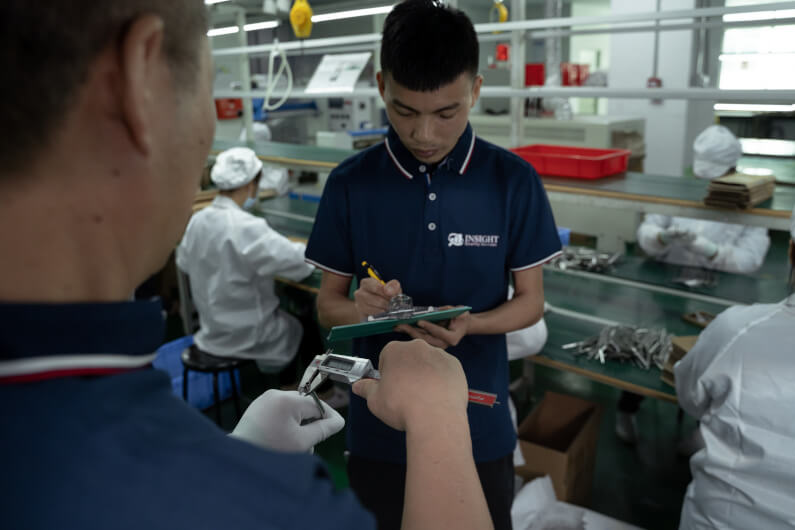
Here are a few tips for implementing a successful skip-lot program:
1. Praise your high-performing factory. Let your manufacturer know that you are moving to a skip-lot program because you trust them and their work. This will strengthen your relationship with them.
2. Don’t always inspect at the same frequency (e.g., checking every third shipment). If you’re going to inspect one out of every three shipments, make sure your factory doesn’t know which one it will be. This way, they won’t put more emphasis on ensuring the quality of those shipments.
3. Don’t inform the factory about inspections too early. You can give them two weeks’ notice that you “may” send an inspector, but don’t always follow through. You should only give them a few days’ notice that you will in fact conduct the inspection. You’ll learn more by inspecting at less predictable times.
4. Decrease inspection frequency carefully and gradually. For example, you could start by inspecting two out of every three shipments, then move to one out of three. If quality slips, revert to a higher inspection frequency. Once things improve, decrease frequency again.
By following these guidelines, you’ll be in a better position to maintain a successful skip-lot program.
Get Help From Insight Quality Services
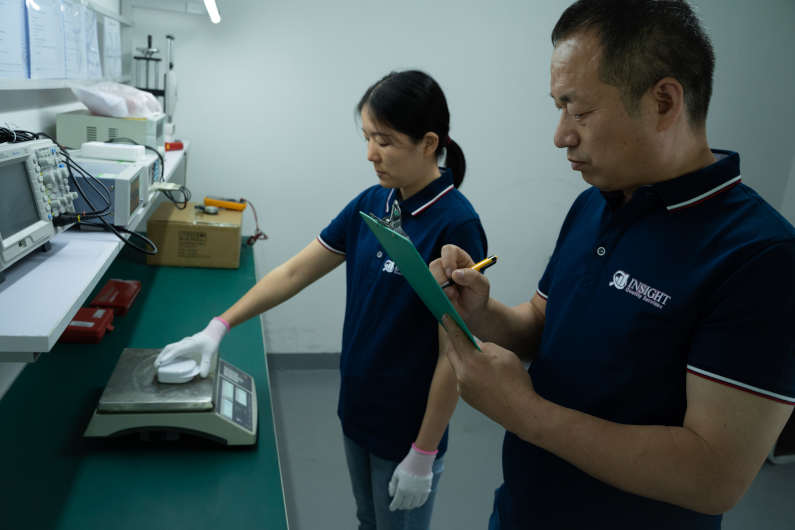
Insight Quality Services has helped numerous companies reduce their quality inspection costs through reliable, long-term skip-lot programs, leveraging decades of combined industry experience to determine optimal inspection frequency, type, and timing.
Ready to optimize your inspection strategy? Learn more about our product inspection services or get started with our free guide to third-party quality inspections below.
Free Guide
Third-Party Inspections: 7 Things You Must Know
Working with a third-party inspection company helps you to ensure product safety, minimize returns, and maintain your good brand image. But there are certain things you need to understand to really leverage the service and get the best results. Find out what they are in this guide.
Note: This article was originally posted on September 28, 2022, and has since been updated.
Download
AQL Inspections 101: How They are Conducted
Authors